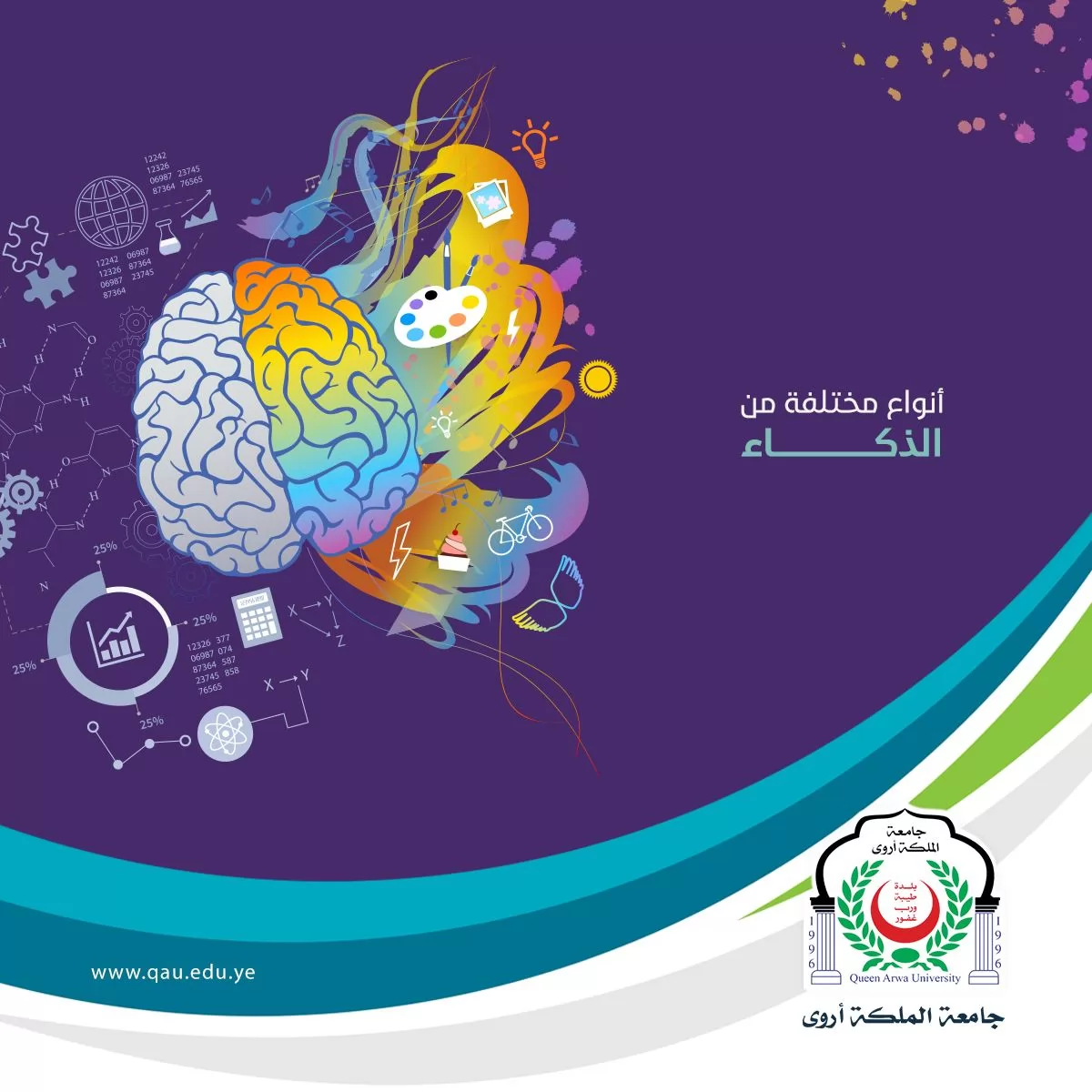
Artificial intelligence models and their role in the development of education
Artificial intelligence is a scientific field that aims to develop systems and programs capable of simulating human capabilities in areas such as learning, reasoning, creativity, and communication. Artificial intelligence is one of the vital issues affecting all aspects of human life, including the field of education. It presents opportunities and challenges to improve the quality, efficiency, fairness and innovation of the teaching and learning process, and to develop the skills necessary for life and work in the era of digitization and technological transformations.
In this article, we will review some areas of application of artificial intelligence in education, and its importance in developing learning outcomes, based on some reliable sources from the Internet.
First: Processing knowledge and natural languages:
This field is concerned with developing programs and systems capable of understanding or generating human language, so that communication between the user and the computer is facilitated naturally. These programs are used in areas such as machine translation, textual analysis, question answering, automatic summarization, and others. These fields contribute to facilitating the process of teaching and learning, by providing various knowledge resources available in different languages, providing immediate and personal feedback to students, and evaluating their performance automatically.1
Second: Systems for managing the teaching and learning process:
These systems are programs or applications used to manage and organize the teaching and learning process, whether in educational institutions or in distance learning environments. These systems take advantage of artificial intelligence techniques to improve the efficiency and effectiveness of the learning process, by providing services such as: managing educational content, managing posts and interactions between participants in the learning process, managing learning paths, managing timetables, managing tests and assessments, managing reports and statistics, and others. These services help achieve better teaching and learning goals, and provide a flexible, customized and stimulating learning experience.2
Third: Enhancing the skills necessary for life and work in the era of artificial intelligence:
This field aims to develop the necessary skills to adapt to the technological, social and economic changes imposed by artificial intelligence. These skills include: digital skills, analytical skills, creative skills, communication skills, collaborative skills, moral skills, and others. These skills help achieve sustainable development, encourage innovation and entrepreneurship, and improve livelihoods. To develop these skills, artificial intelligence uses different tools and methods, such as: simulation and virtual reality, educational games, educational robots, interactive programs, and others.3
Fourth: Ensuring the use of educational data in a transparent and reviewable manner:
This field is concerned with controlling the ethical use of educational data generated or used by artificial intelligence in the field of education. This data is a valuable resource for improving learning and assessment, but it also contains sensitive information about the identity, behavior, and performance of those involved in the learning process. Therefore, the use of this data must be ensured in a way that preserves the privacy and security of users, and respects their rights to review, correct and delete their data. Transparency and clarity of AI algorithms that use this data must also be ensured, so that it is possible to understand their principles, foundations, and effects.4